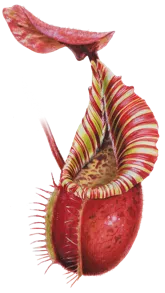
Welcome carnivorous plant growers! 🌱
Hello, my name's Tom 👋 Here on my website I write growing guides, build interactive tools, and share my experiences visiting other growers and botanic gardens. You can navigate using the categories above, browse my most popular resources below, or get in touch:
Featured Grow Guides & Tools
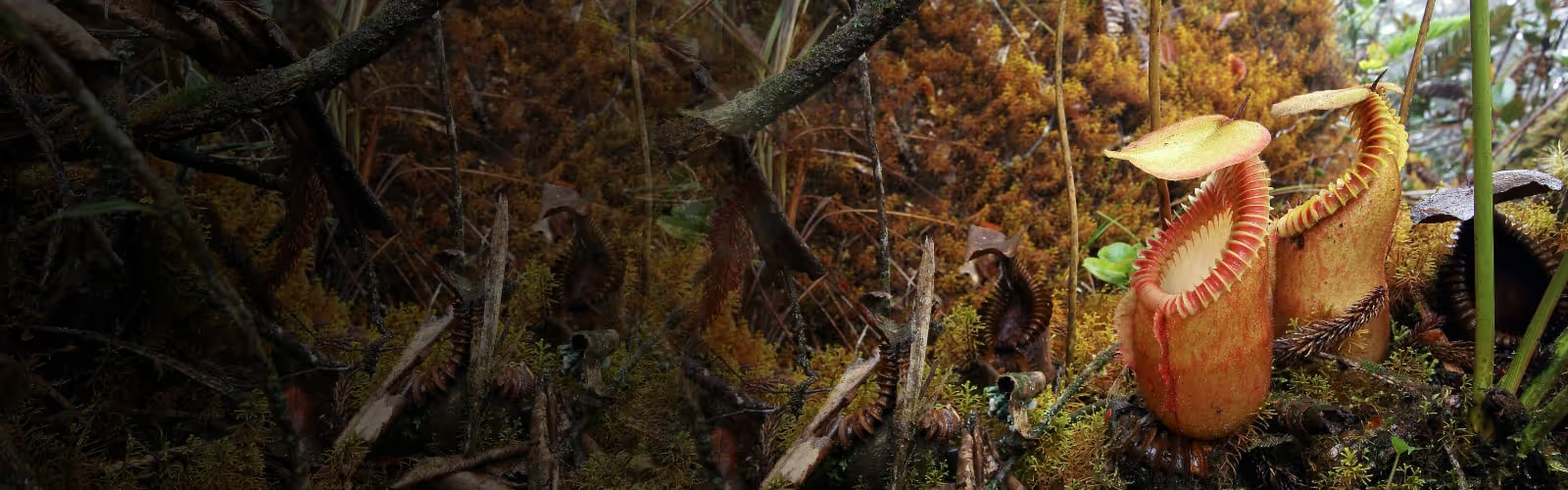
Nepenthes Interactive Guide
The Species Calculator
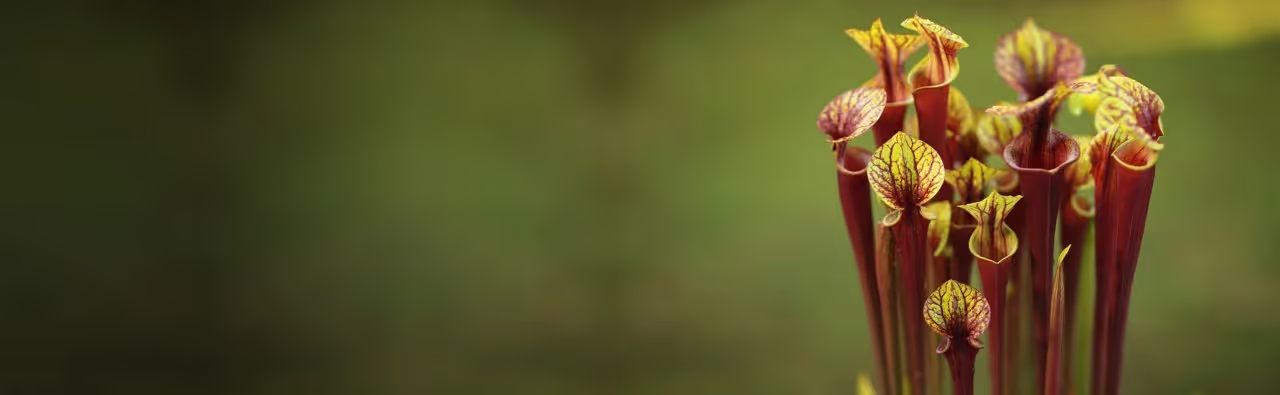
Sarracenia Care Guide
How to Grow Pitcher Plants
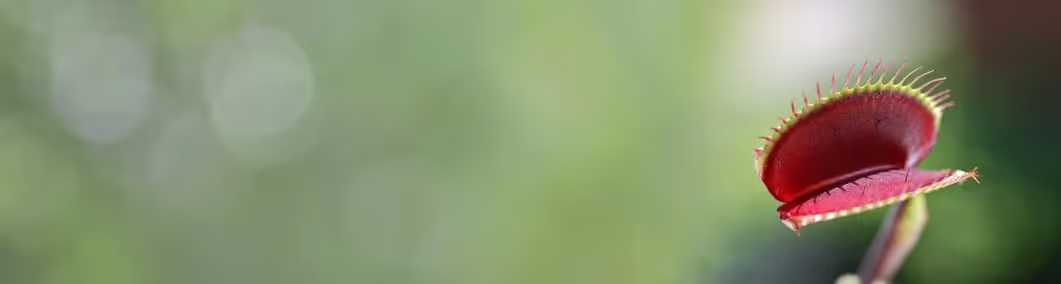
The Venus Flytrap
Complete Care Guide
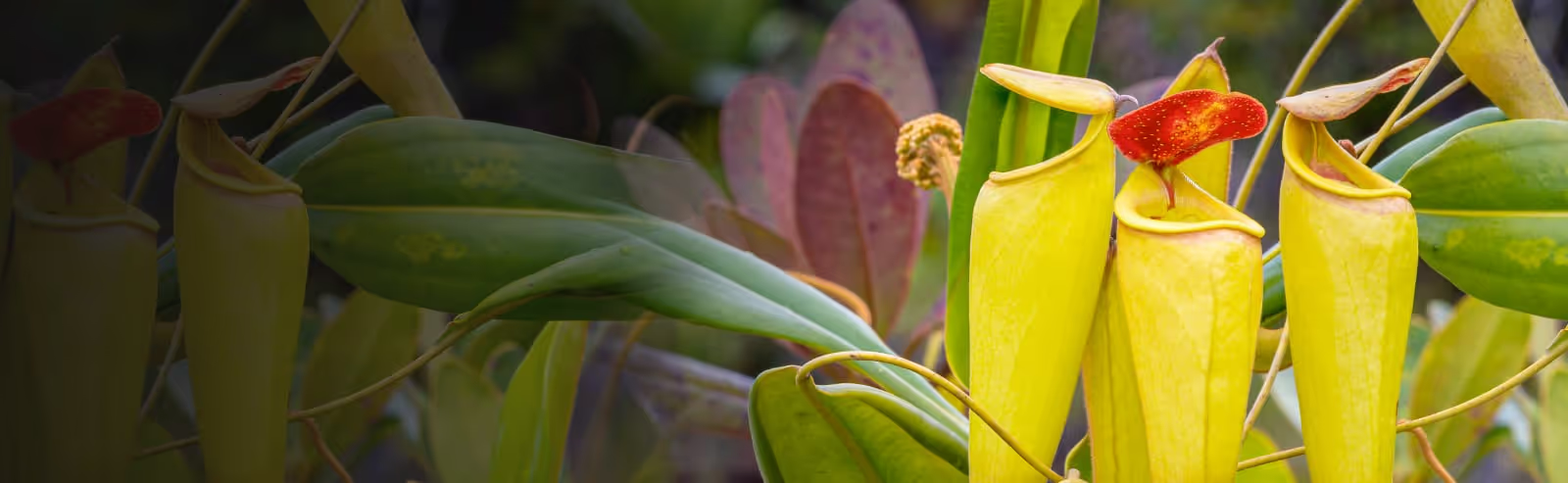
Tropical Pitcher Plants
How to Care for Nepenthes
Explore My Greenhouse
I'm writing profiles of all the carnivorous plants in my collection, starting with my 200+ Nepenthes tropical pitcher plants. Each profile includes botanical history, growing tips, photos, conservation status, availability, and more. Here are my most recent profiles:
-
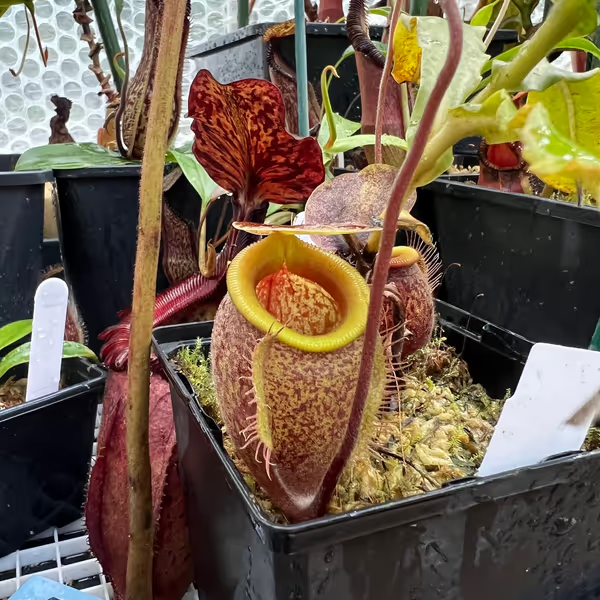
Nepenthes undulatifolia
Rare highland Nepenthes from Sulawesi with tubby pitchers and wavy leaves. White stem hairs, peltate tendrils, and variable pitcher color. Surprisingly easy-growing. Read more.
-
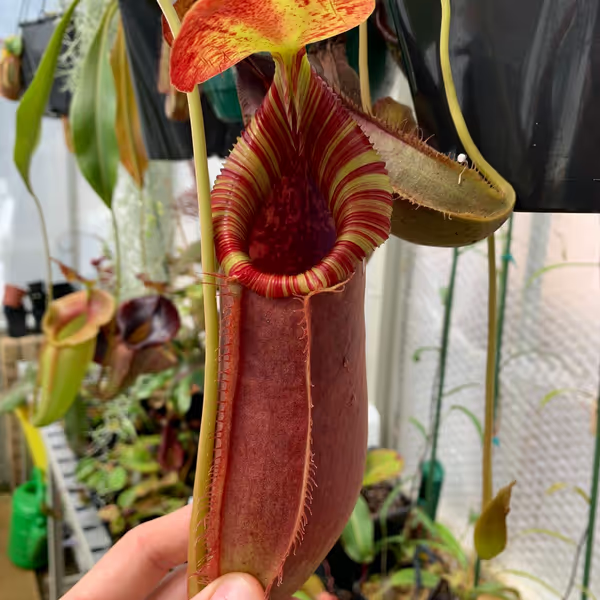
Nepenthes spathulata x lowii
A robust and attractive hybrid combining the best traits of N. spathulata and N. lowii, featuring striking pitchers with bristled lids and striped peristomes. Read more.
-
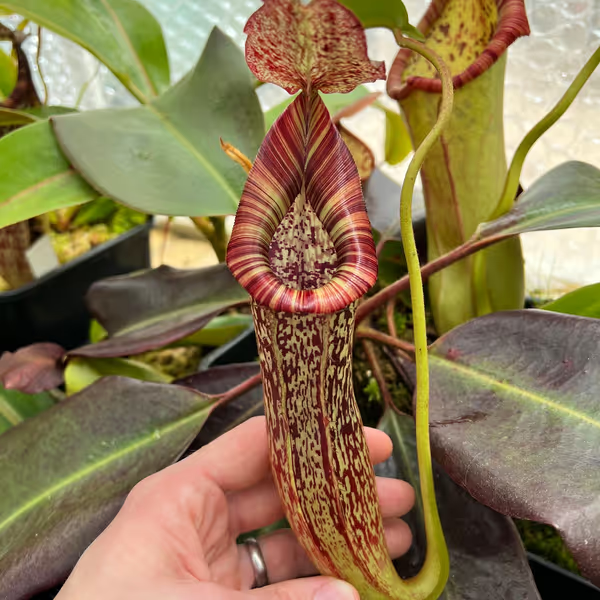
Nepenthes maxima x vogelii
Created by Borneo Exotics, this is a very attractive, affordable, easy-growing Nepenthes hybrid that would make a fine addition to any collection. Read more.
-
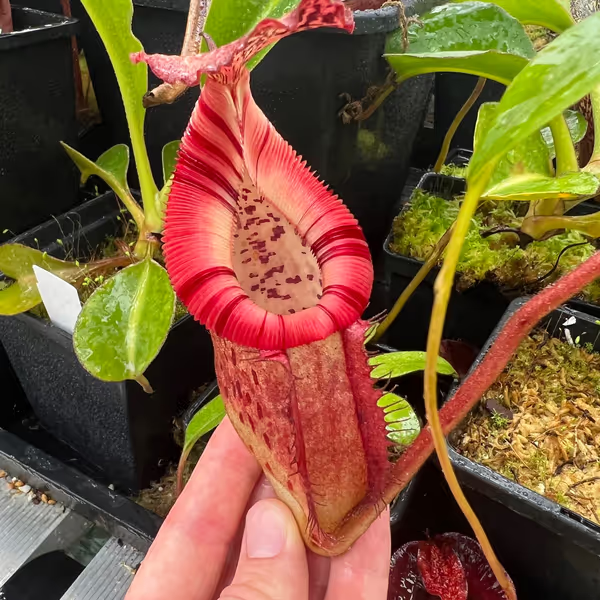
Nepenthes burbidgeae x edwardsiana
A lovely hybrid with controversial parentage, N. burbidgeae x edwardsiana (or N. villosa?) is a single clone from Malesiana Tropicals, popularly known as 'burbeddy'. Read more.
-
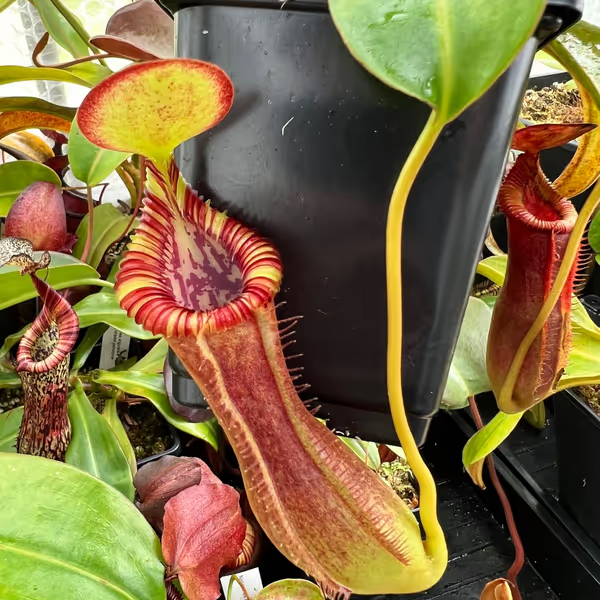
Nepenthes lowii x edwardsiana
A stunning cross between two Bornean Nepenthes, this easy-growing hybrid produces tall pitchers with toothy peristomes striped in red and yellow. Read more.
-
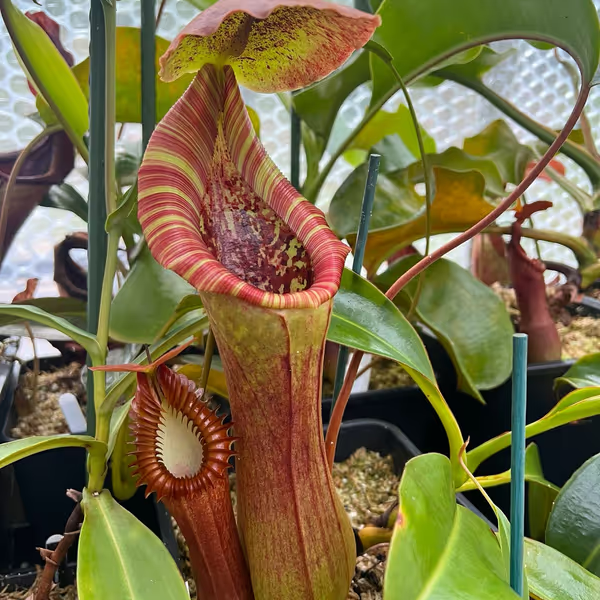
Nepenthes lowii x truncata
Perhaps the most famous and coveted of all Nepenthes hybrids, this plant inherits N. truncata's size and N. lowii's distinctive morphological traits. Read more.
Read my latest blog posts
On my blog you'll find grower interviews, cultivation advice, and articles documenting my visits to many world-famous nurseries, private collections, and botanic gardens.
-
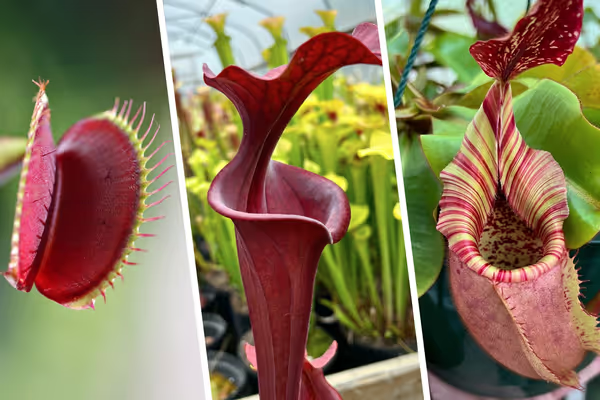
New to carnivorous plants? Start here!
Jul 31, 2022 - Featured
If you've just returned from the garden centre with your first flytrap, or are looking for an easy-to-grow carnivorous plant as a unusual gift, this is for you! Read more.
-
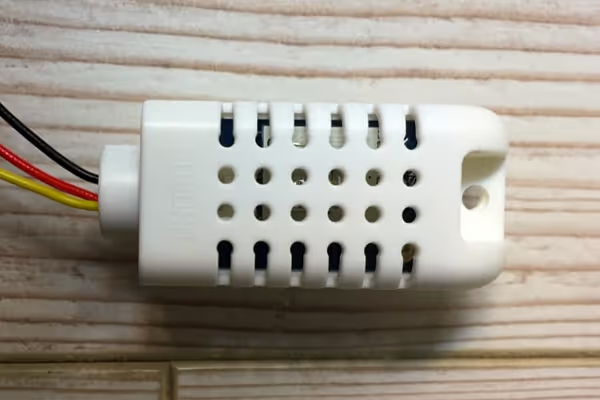
How to build a Raspberry Pi terrarium controller
Apr 26, 2026
I built a Raspberry Pi-powered controller for my terrarium, providing data visualisation, temperature and humidity alerts, and more. Here I'll share my process. Read more.
-
Catching up with Damon from California Carnivores
Oct 25, 2025
A wide-ranging conversation with Damon Collingsworth on carrying Peter D’Amato’s legacy, moving California Carnivores, and life among pitcher plants. Read more.
-
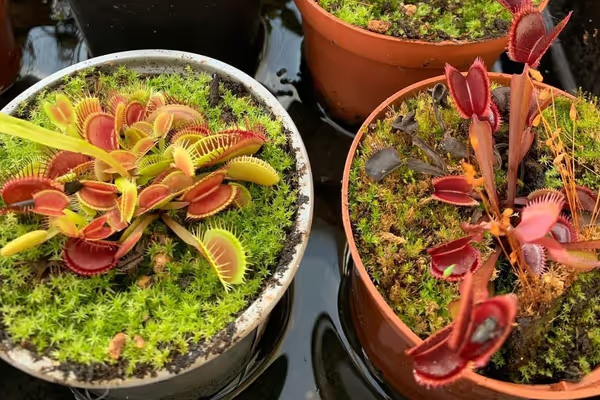
Can I feed my Venus flytrap dead bugs?
Apr 15, 2025
The short answer: not really. But the real answer is that it depends whether you'll invest the time necessary to make your flytrap think it's caught live prey! Read more.